



In late 2024, a group of logistics experts and wildlife biologists discovered something unexpected while reviewing freight data in Southeast Asia. While mainstream media focused on charismatic megafauna like tigers, it was a specialized "niche industry news" report on changes in shipping container regulations that provided the first real clue into a new trafficking route for pangolins. By tracking the shift in logistics flows: information typically reserved for freight forwarders and port authorities: conservationists were able to alert local law enforcement weeks before the first illegal shipment arrived at its destination.
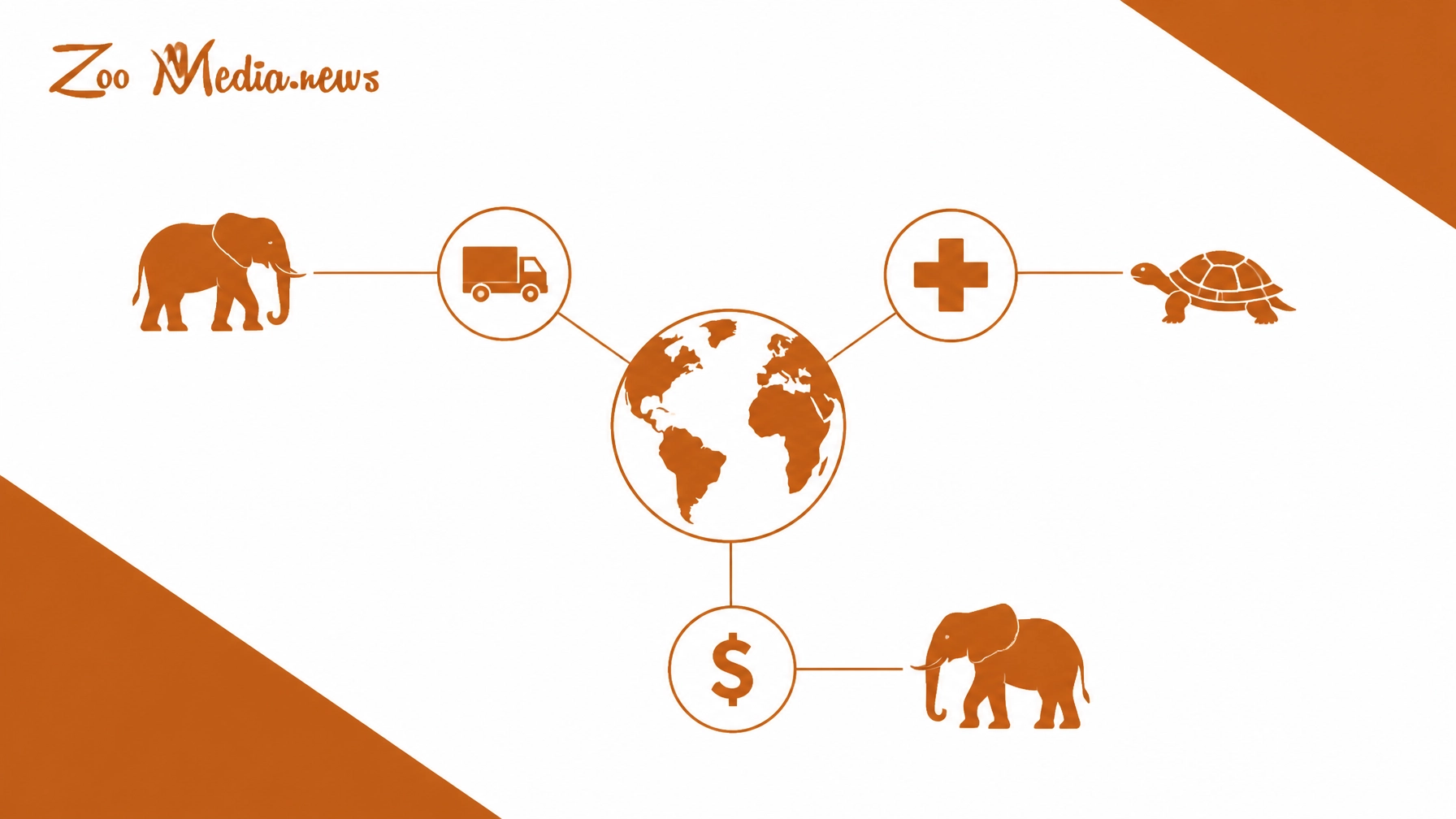
This intersection of specialized data and environmental protection is no longer an anomaly. As global systems become more interconnected, the news cycles within specific industries: from medical research to long-haul trucking: are becoming the primary battleground for global conservation efforts.
How can niche industry news accelerate global conservation efforts?
Traditional wildlife media coverage often prioritizes the sensational: a dramatic rescue, a heartbreaking poaching event, or a sweeping legislative victory. While these stories are vital for public awareness, they often miss the operational gears that drive environmental change. Niche industry news functions as an early-warning system. It targets professionals within a specific supply chain: fisheries, fashion, shipping, or energy: and translates complex ecological data into actionable business intelligence.
"The industry press sets the agenda long before the public even knows there's a problem," says an industry analyst specializing in sustainable supply chains. "Whether it is a new pathogen in the aquaculture sector or a change in ESG (Environmental, Social, and Governance) reporting standards for mid-sized banks, these updates dictate how capital moves. If we want to support endangered species conservation, we have to speak the language of the people making the day-to-day decisions in those sectors."
By framing conservation as an operational risk or a strategic opportunity, niche news encourages preemptive adaptation. When a trade journal for the energy sector discusses the ecological impact of hydrogen infrastructure, it allows engineers to redesign projects to minimize habitat fragmentation before the first shovel hits the ground. This proactive approach is a cornerstone of modern wildlife protection news.
Why do specific sectors like transportation matter for wildlife protection?

The transportation and logistics industry is a primary vector for both legal and illegal wildlife movement. However, it also holds the key to innovative animal welfare initiatives. News outlets like TruckStopTV and other transport-focused media provide a direct line to the "eyes on the road": thousands of drivers who traverse critical wildlife corridors daily.
In many regions, vehicle-animal collisions are a significant threat to wildlife conservation efforts. When niche media provides drivers with real-time data on migration patterns or seasonal crossing hotspots, it transforms a massive labor force into a decentralized monitoring network.
Furthermore, the shift toward sustainable transportation, such as the rise of electric vehicles, has direct implications for air quality in sensitive ecosystems. Discussions about electric vehicle travel across the USA aren't just about consumer convenience; they represent a fundamental shift in how we interact with the wilderness areas that roads cut through. By educating the transportation sector on their role in reducing "biodiversity leakage": the phenomenon where protecting one area simply shifts damaging production elsewhere: niche news ensures that local gains don't result in global losses.

Can financial and medical news save endangered species?

It may seem counterintuitive, but the world of finance and medical research is increasingly intertwined with animal conservation news. For instance, the medical sector’s interest in "allorecognition": the ability of an organism to distinguish its own cells from those of another: often leads back to studies on marine invertebrates or colonial organisms. When specialized medical news outlets report on these findings, they inadvertently highlight the necessity of preserving the biodiversity that makes such research possible.
In the financial sector, the narrative is shifting from conservation as a charity to conservation as a commodity. As noted in recent reports, a new wave of investors sees profit in ocean conservation, viewing healthy reefs and mangroves as natural infrastructure that protects coastal real estate and insurance portfolios.
"We are seeing a transition where 'nature-positive' is becoming a standard financial metric," explains a senior consultant at a global investment firm. "Niche news platforms like MoneySmartsTv are essential because they explain why a decline in pollinator populations isn't just a tragedy for the bees: it’s a systemic risk to the agricultural futures market."
How does ZooMedia.News bridge the gap between industries?
At ZooMedia.News, part of the Dakdan Worldwide network, the goal is to break down the silos between these disparate industries. By operating a media network that covers everything from esports to trucking to medical services, the organization creates a cross-pollination of ideas.
When a story about wildlife conservation efforts is shared on a platform primarily used by motorcycle enthusiasts or sports fans, it reaches an audience that may not actively seek out environmental news. This "stealth education" model ensures that animal welfare initiatives are integrated into the daily content consumption of diverse communities.
For example, a recent piece on the National Zoo's prickly porcupette might seem like a simple animal interest story. However, when framed within the larger context of a zoo’s specialized medical care and breeding programs, it highlights the technical expertise required for endangered species conservation. This approach builds respect for the scientific rigor behind wildlife management across all industry verticals.
What role do zoos and aquariums play in this media ecosystem?

Zoo and aquarium news serves as a vital bridge between the general public and the highly technical world of field conservation. These institutions are not just places to view animals; they are hubs for data collection and public engagement.
Recent news highlights both the triumphs and the challenges of these facilities. While the Denver Zoo's black rhino Rudisha passed away at age 32, her legacy includes decades of data that inform current wildlife protection news. Similarly, conservation partnerships between groups like the NWTF and USFS demonstrate how zoo-affiliated experts work in the field to support wild populations.
By reporting on these events through a journalistic lens, niche media helps the public understand that conservation is a continuous, multi-generational effort. It’s not just about a single success story; it’s about the infrastructure that supports the next thirty years of research.
Practical Takeaways for the Conscious Consumer
The way we consume news directly affects the success of global conservation efforts. Here are the next steps for those looking to deepen their impact:
- Diversify Your Information Stream: Look beyond the headlines. Follow niche news in industries you work in or are passionate about (e.g., finance, transport, or tech) to see how those sectors impact biodiversity.
- Support Specialized Media: Outlets that focus on specific industries provide the deep-dive reporting necessary to uncover "biodiversity leakage" and other complex ecological threats.
- Connect the Dots: When you read about a new technological advancement, ask how it might affect wildlife protection news. For instance, how does a new logistics algorithm reduce the carbon footprint of food transport?
- Engage with Local Institutions: Stay updated on zoo and aquarium news to learn about local breeding programs and how you can support field work directly.
The future of conservation is not just in the hands of biologists; it is in the hands of the truck driver, the investment banker, and the medical researcher. By using niche industry news to stay informed, we can ensure that every sector of the global economy plays a role in protecting our planet’s most vulnerable species.
