



Pennsylvania is bringing back a program that allows residents to remove invasive plants from their properties and receive free native replacements, the Department of Conservation and Natural Resources announced.
The Pennsylvania Invasive Replace-ive Program will host distribution events across the state in May, where residents can claim native trees and shrubs after removing up to three invasive plants. This marks the second year for the initiative, which distributed 1,313 plants in 2025.
“Invasive plants disrupt natural habitats and make it harder for wildlife to flourish,” said DCNR Secretary Cindy Adams Dunn. “Replacing invasive trees and shrubs with native plants helps restore healthy landscapes and supports the birds, pollinators, and other wildlife that depend on them.”
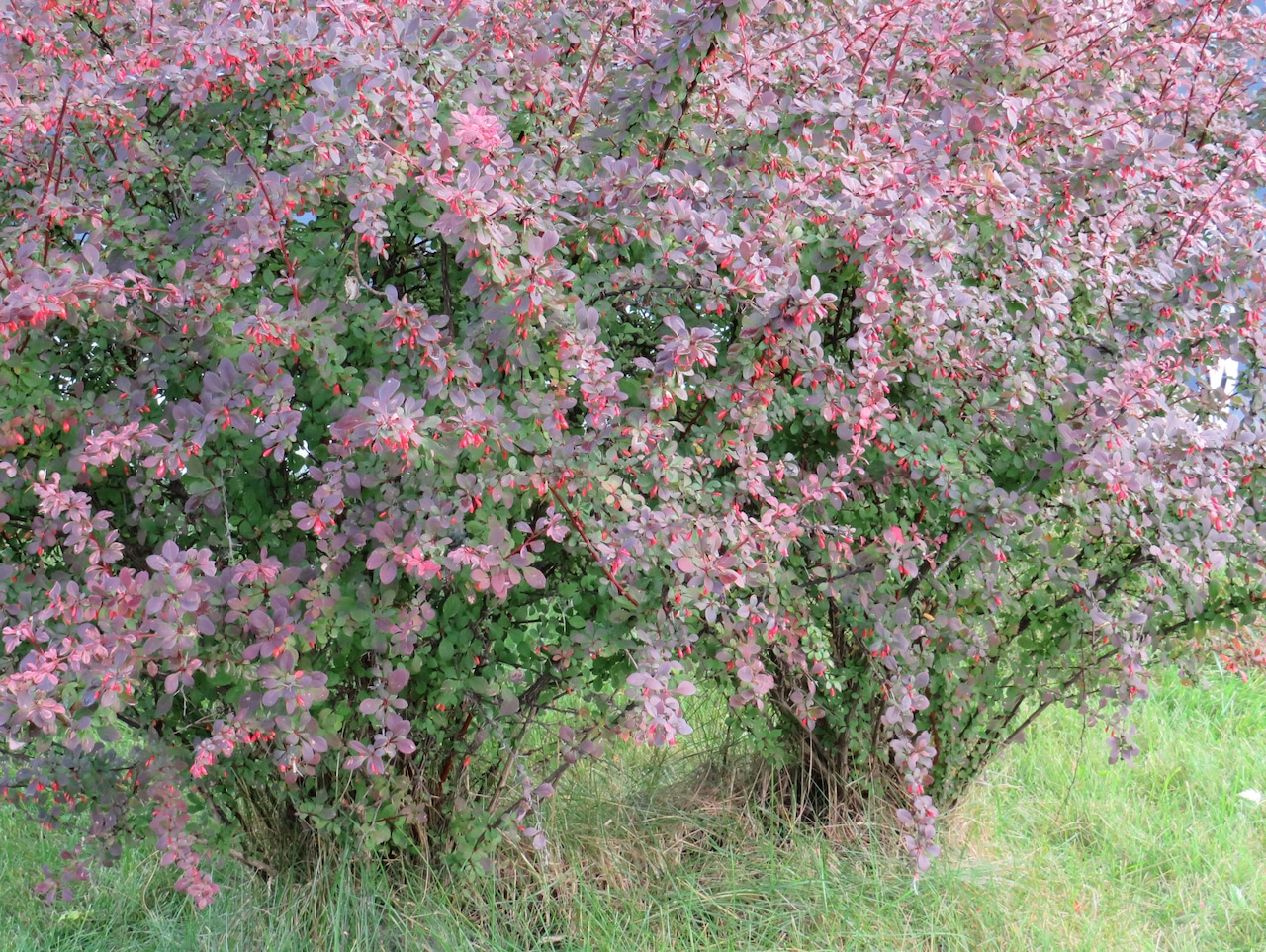
The program targets invasive species that threaten Pennsylvania’s ecosystems, including Callery pear, tree-of-heaven, princess tree, Norway maple, Japanese barberry, burning bush and butterfly bush. These plants spread beyond residential properties into farm fields and forests, displacing native vegetation and creating conditions favorable to pests like the spotted lanternfly, according to state officials.
“Invasive plants don’t stop at the edge of a backyard – they spread into farm fields and forests, pushing out native species and creating opportunities for pests like the spotted lanternfly,” said Department of Agriculture Secretary Russell Redding.
Residents must remove an invasive plant and photograph it, then submit the image through a pre-registration form before attending one of eight events scheduled throughout May. Pre-registration opens March 31 and is required for participation. Native plants will be distributed on a first-come, first-served basis while supplies last.
Events will take place in Towanda, Darby, Hollidaysburg, Sarver, Lancaster, Harrisburg, Allentown and Meadville between May 2 and May 30.
Leah Santos, who participated in 2025, said the program helped her identify invasive species on her property. “I just learned that butterfly bush is invasive, so I nipped it right out,” Santos said. “I’m really excited about the native plants. You don’t see them as often, and I probably wouldn’t have been able to find or afford them otherwise.”
Property owners uncertain about plant identification can contact their local DCNR Service Forester for assistance. The program operates through partnerships with DCNR, the Pennsylvania Department of Agriculture, Western Pennsylvania Conservancy, Penn State Extension Master Watershed Steward Program, Alliance for the Chesapeake Bay and Pennsylvania Sea Grant.
