



Virginia’s lawmakers showed in 2020 that they understood the danger of vehicles and animals colliding on our streets and highways. Those concerns resulted in a Wildlife Corridor Action Plan, which directed state officials in transportation, wildlife, conservation and forestry to work together to make roads safer for humans and wildlife.
That was a good beginning, but its effectiveness requires turning that plan into action. This year, lawmakers should approve a bill before the legislature to create a voluntary grant fund to help pay for projects designed to implement the plan’s goals.
House Bill 597, introduced by Newport News Del. Shelly Simonds, creates a fund within the treasury to receive voluntary contributions to use for wildlife corridor and wildlife crossing projects. The bill would be “nonreverting,” so money deposited into the fund wouldn’t expire at the end of a fiscal year.
Having a special fund within the treasury to use for projects to reduce wildlife-vehicle collisions should make it easier for the state to secure grants from Washington and a variety of organizations. Virginians would be able to donate through an electronic option offered by the Department of Motor Vehicles or through state income-tax checkoffs.
Money in the fund could be granted to state agencies, local governments, transportation authorities, Native American tribes, academic institutions and metropolitan planning organizations — those who might support projects to help protect wildlife and motorists. Their work might include such things as collecting data to determine where corridors are needed and educating state employees about crossings as well as building corridors.
State funds might also be used for projects, but the burden on the budget might be significantly reduced.
The problem is serious: Virginia, where development and nature often bump up against each other, is among the top 10 states for vehicle-wildlife collisions. Recent insurance data show there are more than 60,000 collisions annually in Virginia between deer and vehicles.
Those accidents already cost residents and the commonwealth about $533 million each year. A deer or other wild animal darting onto a road can cause damage to more than a car or truck; motorists swerving to avoid the animal smash into something else, such guard rails or highway signage, leading to repair expenses.
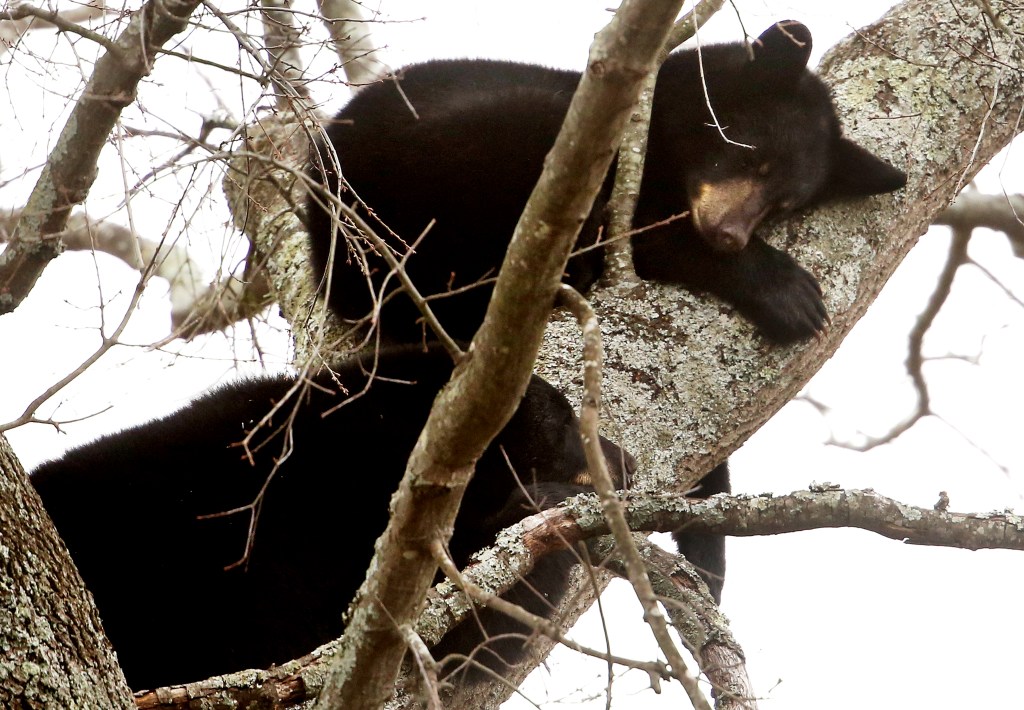
And, while deer are the most frequent wildlife involved in collisions serious enough to merit insurance claims, they aren’t the only ones. While bears are most plentiful in the western part of the state, they live elsewhere across the commonwealth, including in some coastal areas. After the western mountains, the Great Dismal Swamp has the highest bear population in Virginia. Those bears grow large because of the abundant food supply.
More than 20 years ago, a wildlife crossing was built under U.S. 17 in Chesapeake when that highway was widened. In 2004, four bears were killed in vehicle collisions on that stretch of road between the wildlife refuge and other protected habitat.
Working with the public and federal agencies, the Virginia Department of Transportation rerouted the road in 2025 during the widening project, adding a wildlife crossing. The road was built with two parallel bridges over an underpass, where dirt mounds were added to give animals a dry path. Fences were added along the road to steer wildlife toward the underpass. The crossing is still used by bears, deer and other wild animals.
There are a few similar crossings in the state. If the legislature establishes the new fund, similar wildlife corridors and crossings could be built in other areas where collisions are likely.
Ideally, the legislature would have ample state funds to dedicate to wildlife corridor projects as part of a larger wildlife action plan, and maybe that will happen someday. For now, the voluntary grant fund sounds like a good way to make more progress in implementing the Wildlife Corridor Action Plan.
The fund and the work it could support should help make our roads safer while protecting the wildlife that’s part of our natural heritage and our commonwealth’s remarkable environmental diversity.
