



11. What Saved the Axolotl in Xochimilco?
The critically endangered species conservation of the axolotl in Mexico City has moved away from laboratory tanks and back into the wetlands. By partnering with traditional "chinampa" farmers to restore ancient canal systems, conservationists have created a series of pollution-free refuges. This proves that local community buy-in is the most effective "home-field advantage" a species can have.
12. How Do Hand-Dug Channels Bring Back Flamingos?
In the Yucatán, villagers literally took conservation into their own hands. By manually digging tidal channels to reconnect dying mangroves to the sea, they restored the water flow necessary for life. Today, flamingos have returned to these mangroves, marking a visual win for wildlife media coverage and local environmentalism.
13. Is the Green River a Model for Freshwater Success?
The Green River in the U.S. has reclaimed 96% of its historic mussel diversity. Through captive breeding and careful reintroduction, six species that had vanished are now filtering the river's water once again. It’s a quiet, sub-aquatic comeback that highlights the importance of often-overlooked species.
14. Can eDNA Find Wildlife We Thought Was Gone?
Bhutan’s 2025 environmental DNA (eDNA) survey has changed the game. By testing water and soil samples for genetic traces, researchers "spotted" rare and elusive species without ever seeing them. This technology is becoming a vital part of niche industry news, providing a digital audit of biodiversity.
15. Why is the Ivory Trade Finally Losing Steam?
The Wildlife Justice Commission reported in late 2024 that trafficking networks for ivory and pangolin scales are weakening. Prices for these illegal goods have plummeted by nearly 70% over the last decade. A combination of strict enforcement and shifting consumer demand is finally pricing out the "illegal players" in the market.
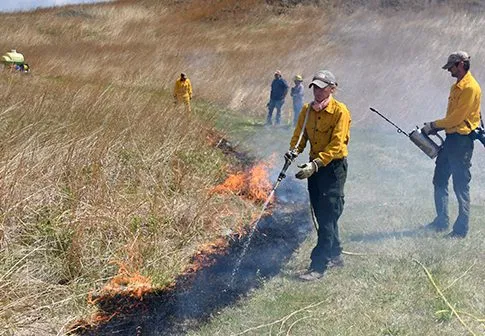
16. How Do Controlled Burns Protect Grassland?
It may seem counterintuitive, but fire is often a conservationist's best tool. Controlled burns, like those used in managed grasslands, clear out invasive species and promote the growth of native plants. This "off-season training" for the land ensures that the ecosystem remains resilient and capable of supporting diverse wildlife.
17. Are Amazon Communities the Best Forest Guards?
A recent longitudinal study in the Brazilian Amazon found that community-led patrols reduced environmental crimes by 80% over ten years. Unlike state-run operations that often lack local nuance, these community "security teams" have a personal stake in protecting their backyard, making them the most effective line of defense for global conservation efforts.
18. How Did the Monito Gecko Beat the Odds?
Once on the brink of extinction due to invasive rats, the Monito gecko in Puerto Rico is now thriving. After a successful rat-eradication program, the population surged to over 7,600 individuals. It’s a clear example of how removing a single "opponent" (invasive species) can allow a native species to dominate the field again.
19. Is the European Bison Returning to the Wild?
The European bison has transitioned from "extinct in the wild" to a flagship for rewilding. Large herds now roam across Poland, Romania, and the Netherlands. This "heavyweight" of the forest is essential for maintaining open forest patches, which benefit hundreds of other species.
20. Why Are Humpback Whales the Ultimate Comeback Story?
Humpback whales have moved from near-total collapse to a near-total recovery in many parts of the world. While new challenges like climate change remain, their population rebound is a testament to what happens when international "leagues" (like the IWC) agree on a moratorium. To understand more about how long-lived these marine giants are, check out our recent report on whale longevity.
What Are the Next Steps for Conservation Enthusiasts?
The success stories of 2025 and 2026 show that conservation is not a lost cause: it's a competitive field that requires strategy, funding, and public support. For those looking to get involved, the path forward involves:
- Supporting Zoo and Aquarium News: Modern facilities are at the forefront of genetic research and breeding programs.
- Staying Informed: Follow animal conservation news to understand which "teams" need your support.
- Local Action: As seen in Mexico and the Amazon, local involvement often yields the highest ROI for biodiversity.
"We have the playbook," says ZooMedia’s own conservation analyst. "Now, we just need to keep the momentum going through the rest of the decade." Whether it's through endangered species conservation or simple habitat protection, every win counts in the race to save our planet’s biodiversity.
For more deep dives into the natural world, including whether animals feel jealousy or the ancient secrets of the comb jelly, stay tuned to ZooMedia.News.
