


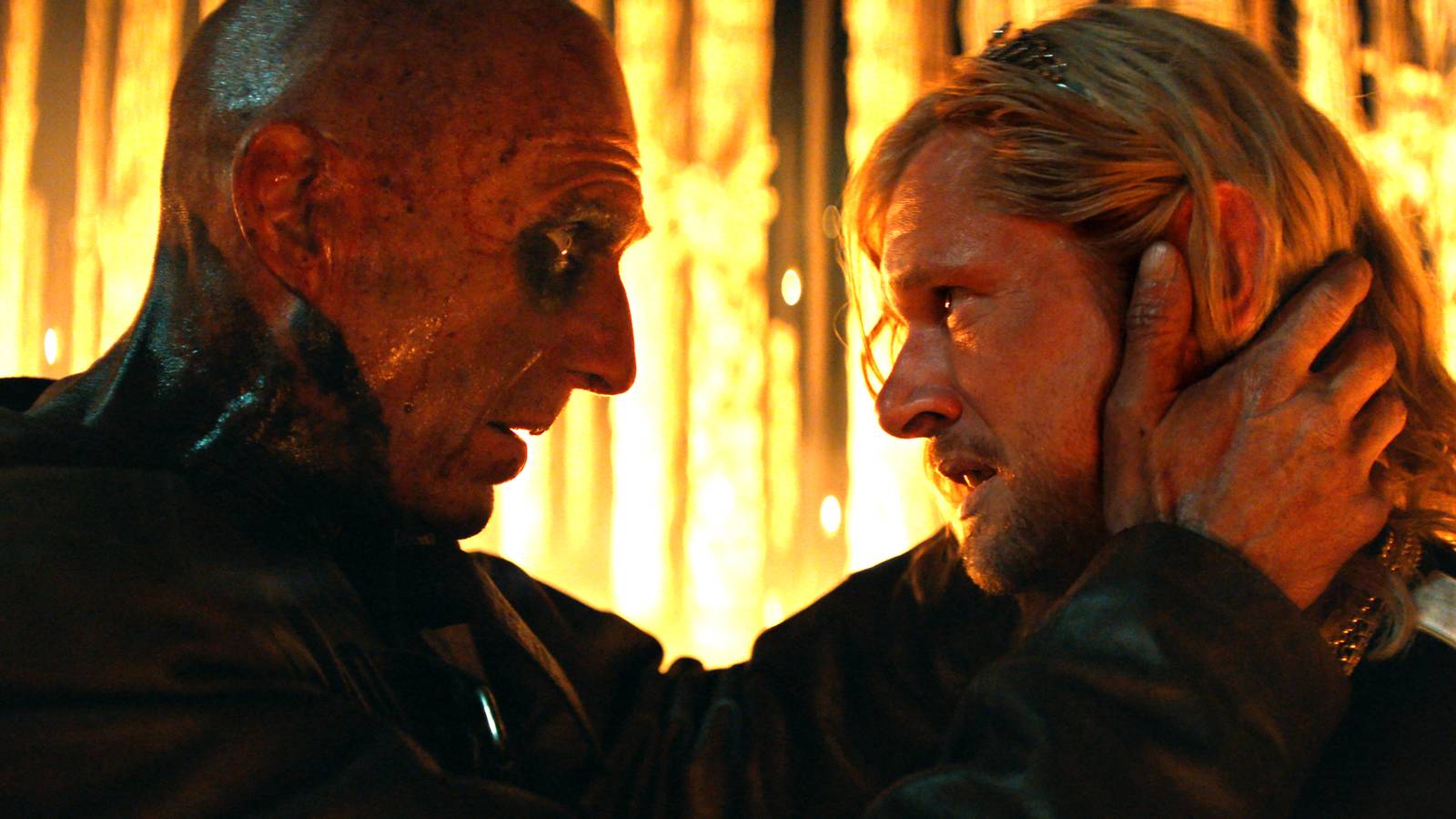

The following contains spoilers for 28 Years Later: The Bone Temple28 Years Later: The Bone Temple uses a lot of thematic elements to achieve its tonal goals, but one of the most effective is the way it proposes music. As a result of the largely decimated United Kingdom that serves as the larger setting of the horror series, there’s little ambient music or realistic touches.
Instead, the films typically use the natural sounds of life, the tension of silence, and the chaos of the infected as the primary sounds of the story. Bone Temple breaks from that mold; the ending of the film even incorporates an entire musical performance. The use of music in Bone Temple speaks to a central thesis of the film.
Music Is The Key To Humanity In 28 Years Later: The Bone Temple
One of the things that stands out the most in 28 Years Later: The Bone Temple is the way it uses music as a signifer of humanity in a way that transcends morality or mortality. In a version of Great Britain that has been ravaged by the Rage Virus, most forms of modern entertainment and artistic expression have been lost.
It’s a theme established back in 28 Days Later in a somber scene where a soldier recalls his favorite joke from The Simpsons, a sorrowful reminder of the world that came before and what was lost when the Rage Virus took over. This was downplayed in the follow-ups, but Bone Temple brings it back in a big way.
Kelson is repeatedly shown to be someone who loves music. He has compiled a small collection of records in his bunker and is shown listening to them as he works and while unwinding. He sings to himself while he collects bodies and strips bones. This is reflective of Kelson being perhaps the most human member of the cast.
Kelson has empathy in a way no one else in the series has shown, a kindness that even extends to the infected that most people have written off as monsters. He sings songs to himself, ensuring the works of people long dead carry on into an unpredictable future. It’s a vocal equivalent to his massive bone temples.
This music is even how Kelson can eventually start bonding with Samson. After placating him with drugs, Kelson spends time with Samson and sings small songs to him. This is one of the ways Kelson is able to reach out to the man lost within the infection, eventually leading him to be cured.
Notably, Kelson isn’t the only person who remembers music. Jimmima, one of the followers of St. Jimmy Crystal, at one point, performs a dance inspired by the Teletubbies, an off-putting and strange moment that comes amid the Fingers taking a household hostage. Music remains part of the human experience, even after the end.
To Kelson (and ultimately the audience), music is a throughline between people. While morality may differ and sanity might be in question, music is something that connects to people and is capable of transforming them, recalling long past eras of life or giving a seemingly doomed soul another chance. Music is undeniably human, something Bone Temple expands upon.
Why Kelson’s Final Performance Is So Important In The Bone Temple
28 Years Later: The Bone Temple’s climax ends up being a musical performance for the ages. With Sir Jimmy threatening a gruesome fate if he doesn’t comply, Kelson agrees to help convince the Fingers that he is truly Satan. To do this, Kelson dresses himself up in leather and refashions his equipment for a performance.
While belting along to his Iron Maiden record’s copy of
