


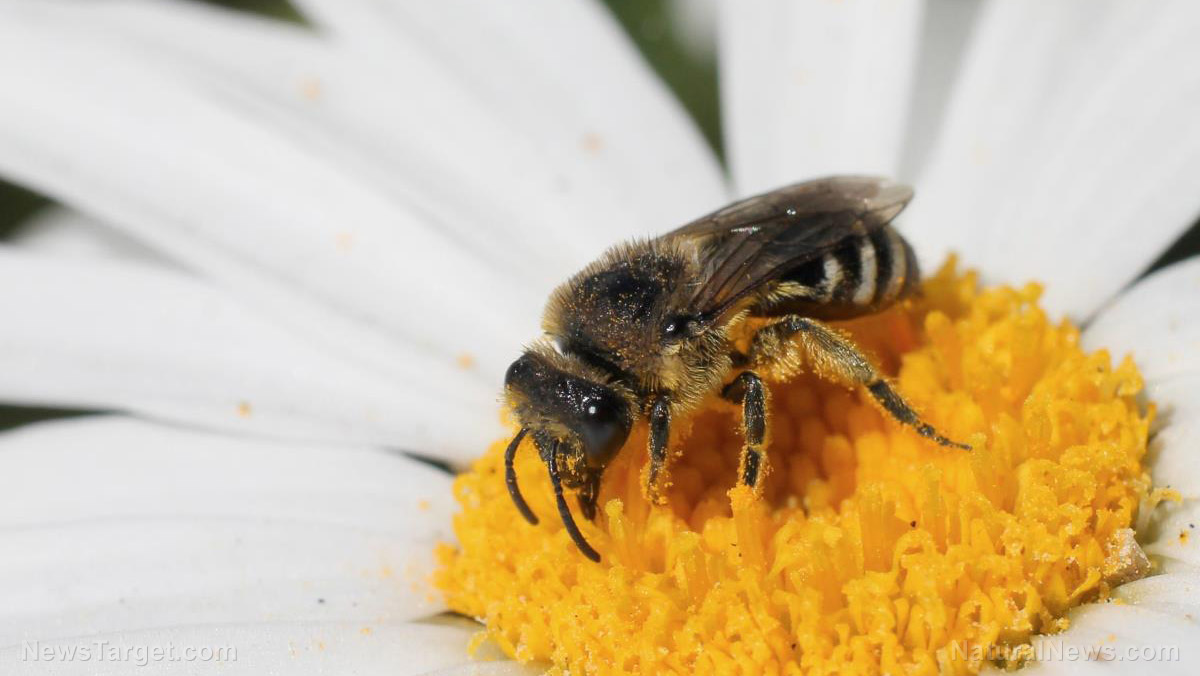

A previously unknown bee species, Megachile lucifer, was identified in Western Australia’s Goldfields—the first new species in its genus in over 20 years. Named for its distinctive devil-like facial horns (1mm long), the bee was found by Dr. Kit Prendergast while surveying an endangered wildflower (Marianthus aquilonarius).
DNA barcoding confirmed the bee as a new species with no matches in existing databases. A solitary bee, likely nesting in beetle-bored tree holes and sealing them with eucalyptus resin. Only females have horns—function unknown, possibly for nesting competition, foraging, or defense.
The Bremer Range, part of the Great Western Woodlands, faces destruction from mining projects like the Medcalf Vanadium Project (650 hectares cleared). Mining expansion and climate change endanger both the bee and its host wildflower, with insufficient surveys for native pollinators.
Australia has ~2,000 native bee species, many still undescribed due to lack of research and monitoring. Without proper surveys, crucial pollinators—and the ecosystems they support—could disappear unnoticed.
Researchers recommend targeted surveys during the bee’s November flight season, protection of beetle-bored wood nesting sites and community science (photo reports) to track distribution. The discovery of M. lucifer highlights urgent conservation needs amid industrial and climate pressures.
A tiny native bee with distinctive devil-like facial horns has been discovered in Western Australia’s Goldfields, marking the first new species in its genus to be identified in over 20 years.
Named Megachile lucifer, the bee was found during surveys of a critically endangered wildflower, highlighting both the rich biodiversity of the region and the urgent need for conservation efforts as mining expansion threatens fragile ecosystems. The newly identified bee species was spotted by Dr. Kit Prendergast, an adjunct research fellow at Curtin University, while she was studying pollinators of the endangered wildflower Marianthus aquilonarius in the Bremer Range, located between Norseman and Hyden.
