



A TikTok creator set out on a simple mission: listen to the albums most often labeled the worst music of all time and document the experience. What he didn’t expect was to stumble into one of the strangest, most emotionally complicated records in rock history.
The album is Philosophy of the World, a 1969 release by the New Hampshire sister band The Shaggs. For decades, it has occupied a bizarre cultural space, regularly cited as one of the worst albums ever recorded while simultaneously praised by some of the most influential musicians of the 20th century.
“This story is wild,” the TikTok creator says in the caption introducing his video. “I didn’t know what I was walking into by starting the journey of listening to Wikipedia’s ‘Worst Music’ list. But this first album did not disappoint.”
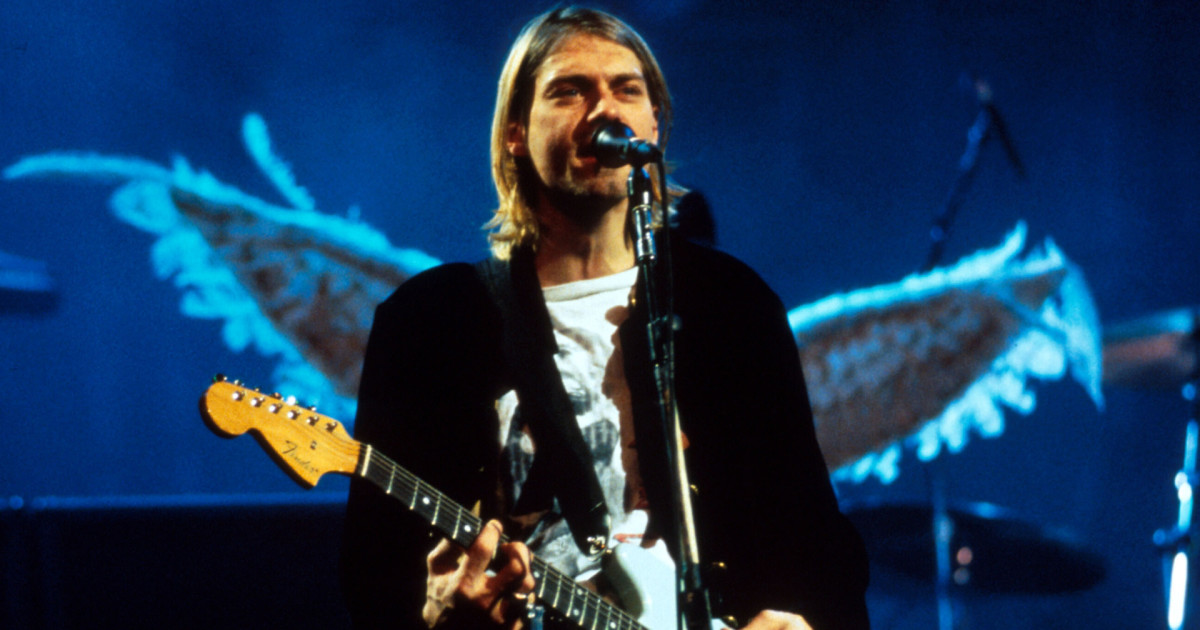
In the video, he notes that Kurt Cobain once listed Philosophy of the World as his fifth-favorite album of all time. He also points to Frank Zappa, who reportedly described the record as proto-punk and, in one oft-repeated quote, “better than the Beatles,” though that claim has long been debated.
Released in 1969, Philosophy of the World was written and recorded by three teenage sisters who had little interest in becoming musicians. The album exists largely because their father insisted it should, driven by a belief that his own mother had predicted his daughters would one day be famous for their music. He pushed them to rehearse daily, booked weekly shows at their local town hall and paid out of pocket for the album’s recording.
The result is an album defined by untuned guitars, wandering melodies, clashing rhythms and lyrics that feel almost disarmingly sincere. Critics have been merciless. Rolling Stone’s Debra Rae Cohen famously described the sisters as sounding like “lobotomized Trapp Family Singers.” Others have argued the album “may stand as the worst ever recorded.”
And yet, decades later, it refuses to disappear.
“Now… it’s bad, objectively,” the TikTok creator admits in the video. “But here’s what I find great. In the album liner notes, which was written by their dad, it says that this music is real, pure, and unaffected by outside influences. And it is. And no one sounds like this.”
That tension, between technical failure and emotional authenticity, is exactly what keeps Philosophy of the World alive. The album slowly developed a cult following in the 1970s and ’80s, circulating among musicians and critics who heard something strangely honest beneath the chaos. Rolling Stone later called it “the sickest, most stunningly awful wonderful record” of its time.
In a 2017 feature, NPR framed the band as “the best or worst band of all time,” noting that Philosophy of the World became a cult classic precisely because of its atonal, off-kilter sound and the deeply controlling circumstances under which it was made.
For Dorothy “Dot” Wiggin, the album’s afterlife has always been bewildering. Speaking to Rolling Stone in a rare 2016 interview, she acknowledged that the album’s appeal has little to do with musical technique and everything to do with sincerity. When asked why fans still connect with it decades later, she told the magazine, “The honesty of the story, maybe, and the originality.”
Dot has also been clear that the music itself was never the point. “I wrote all the songs on Philosophy of the World so the lyrics mean more to me than the music,” she said, adding, “Everybody disagrees with me, but I don’t think I know enough about music to be writing my own songs.”
Listeners are Sharply Divided
The TikTok video sparked a fresh round of debate in the comments.
“‘My Pal Foot Foot’ is a bop,” one viewer wrote.
Another added, “This album will defeat AI,” as another wrote, “AI could never.”
Others leaned into the humanity of it all. “This album is horrendous, but it’s human, it’s unique, it’s raw and weird. It’s not sleek and quantized into oblivion,” one comment read. Another echoed the creator’s conclusion: “‘I would rather hear earnestly made bad music than soulless good music.’ This hit me.”
More than 50 years after its release, Philosophy of the World still does what few albums can: force listeners to argue about what music is supposed to be. It’s uncomfortable, oddly tender and impossible to mistake for anything else.
Whatever side you land on, the album leaves an impression. And for a record long dismissed as the worst of all time, that might be its strangest achievement of all.
