



By: Trinity Martin-Sadler, Intern Journalist
Publication Date: July 20th, 2026
Cleveland Zoo Celebrates Historic Birth of Amur Leopard Cub
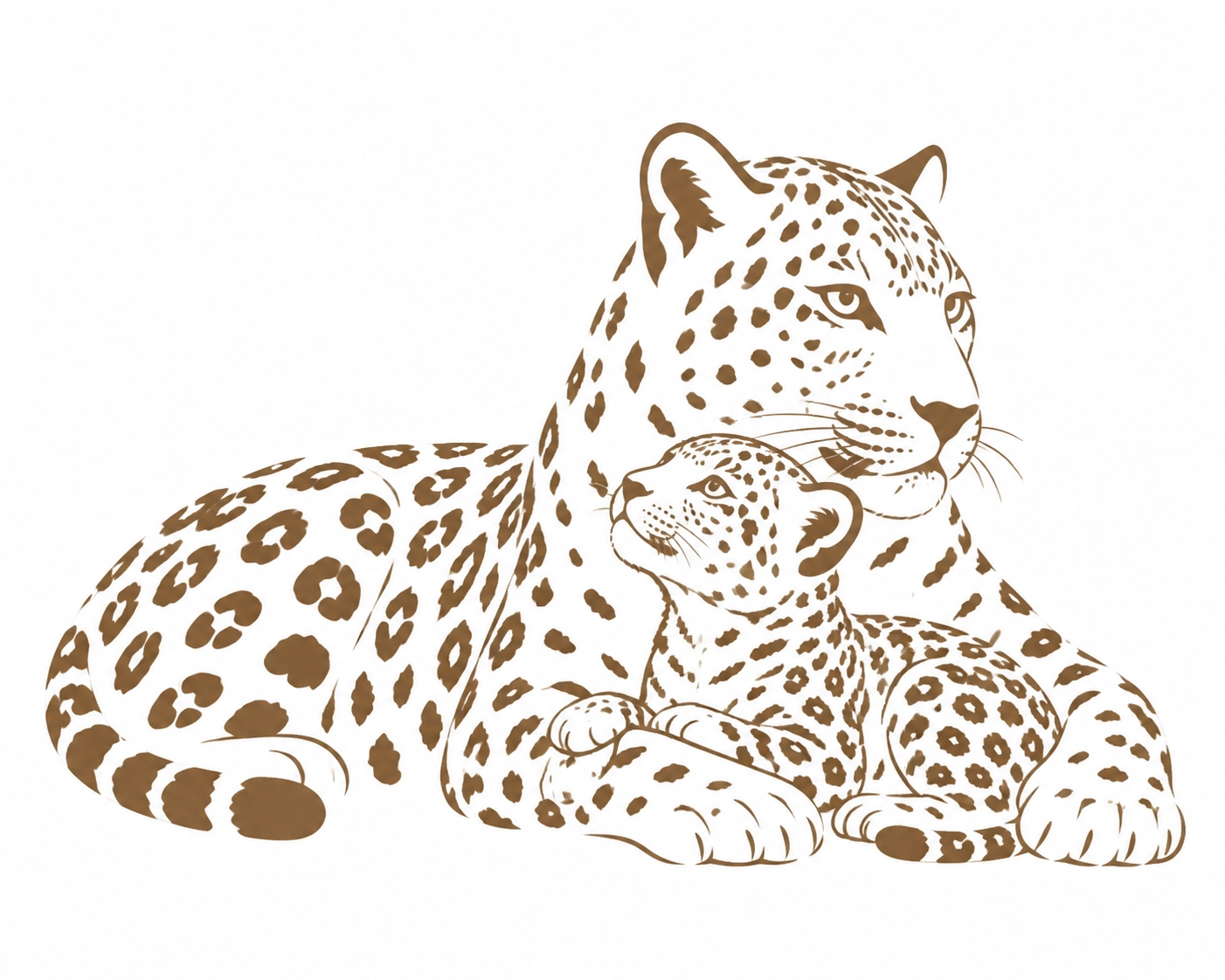
Cleveland Metroparks Zoo has achieved a significant milestone with the birth of its first Amur leopard cub, one of the world’s rarest big cats. The female cub was born on June 24, 2026, to first-time parents Mila and Zeya. Both mother and cub are healthy and staying behind the scenes to bond during these early weeks.
Why Amur Leopards Matter?
The Amur leopard is critically endangered, with fewer than 100 remaining in the wild. Habitat loss, poaching, and human activity have greatly reduced their numbers. Each successful birth is vital for the species' survival. Zoos work together through breeding programs to keep genetically healthy populations and support efforts to protect their natural habitats.

Working Together for Conservation?
The birth is part of a program by the Association of Zoos and Aquariums, which coordinates the breeding of endangered species across North America. This program uses scientific data to choose breeding pairs carefully, ensuring a diverse and healthy population. Cleveland Metroparks Zoo has taken part in various conservation efforts, and the arrival of this cub reflects years of teamwork and expert care. These breeding programs also support efforts to protect habitats and combat poaching.
The Role of Zoos in Conservation?
Modern zoos do more than just show animals. They are conservation centers that support research, veterinary care, education, habitat restoration, and global species recovery. The birth of the Amur leopard cub allows the zoo to raise awareness about endangered wildlife and the need to protect biodiversity. Engaging the public is crucial for long-term species recovery and inspiring future generations to support wildlife conservation.

Importance of Genetic Diversity?
Maintaining genetic diversity is a major challenge for endangered species. Small populations risk inbreeding, disease, and difficulties adapting to change. Coordinated breeding programs help reduce these risks by selecting compatible breeding pairs. These strategies support the health of managed populations and preserve important genetic traits for future efforts.
While captive breeding alone can't restore wild populations, it is an essential part of broader conservation strategies that include habitat protection, research, and international cooperation.

For more in-depth analysis and the latest breaking news on Zoo Media & Sports, visit our Articles section or learn more about our team at Sportsmedia News About Us. Interested in joining our team? Check out our Internship Program.
Sources Verified
- Cleveland Metroparks official press release
- Axios Cleveland
- Discover Magazine
- GlobeNewswire
- The Cool Down
- Cleveland 19 News
- WKBN
- WYSU
Media Contact
Trinity Martin-Sadler
Intern
martinsadlert2@mailbox.winthrop.edu
#EsportsInEducation #FutureOfGaming #ScholasticEsports #GamingMeetsOpportunity #FANZInnovation #StudentSuccess
