


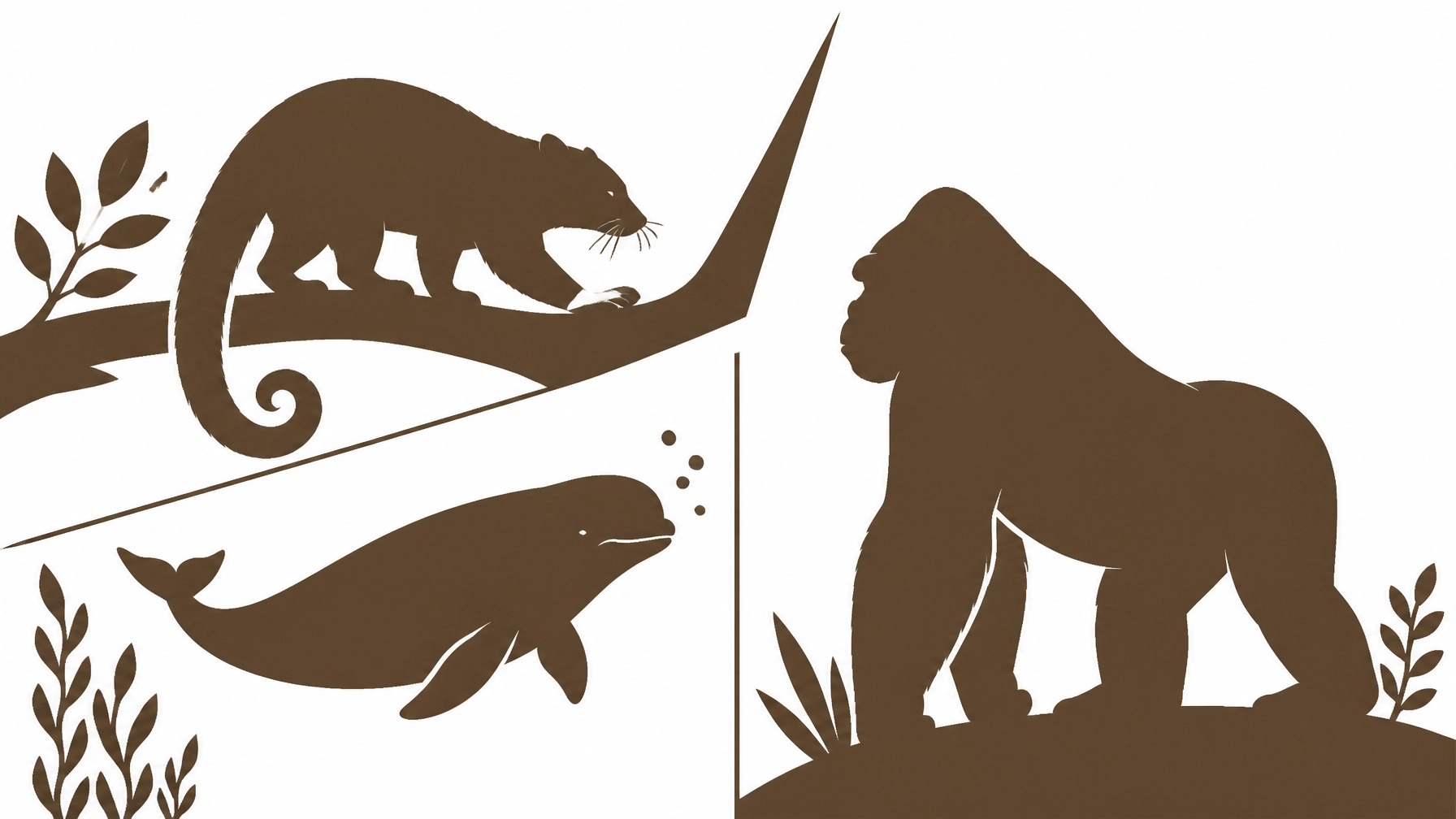

July 2026 has emerged as a transformative month for global wildlife facilities, marked by rare births, unprecedented medical interventions, and massive logistics operations. From the specialized habitats of Southern California to the waterways of the United Kingdom, these updates reflect a period of intense activity in the conservation and zoological sectors.
Why are these binturong births a historic milestone for San Diego?
The San Diego Zoo recently announced the birth of twin male binturongs, named Pulong and Tau, marking the facility’s first successful breeding of the species in over 25 years. Born in late March 2026 to first-time mother Nettle and father Garrett, the twins are currently being housed in an off-exhibit area at the Wildlife Explorers Basecamp.
Binturongs, often referred to as "bearcats," are arboreal mammals native to the dense forests of Southeast Asia. They are known for a unique chemical compound in their scent glands that produces an aroma similar to buttered popcorn. According to zoo wildlife specialists, the twins exhibit distinct personalities: Pulong is noted for being more vocal and less selective with food, while Tau is more adventurous but discerning during feedings.
"This birth is a significant achievement for our breeding program," stated a San Diego Zoo representative. "The twins are currently undergoing training for our animal ambassador program, which will eventually allow them to participate in educational presentations and VIP experiences." The zoo plans to keep the siblings together for approximately two years before one is likely transferred to another accredited facility to support genetic diversity in the captive population.

How is the world's largest beluga rescue operation being executed?
A massive international effort is currently underway to relocate approximately 30 beluga whales from Marineland in Niagara Falls, Ontario, to a network of specialized facilities across the United States and Europe. This operation is considered one of the largest and most complex marine mammal rescues in history.
The relocation plan, which received emergency approval from the National Oceanic and Atmospheric Administration (NOAA) and the Canadian Department of Fisheries and Oceans, involves moving 28 whales to four U.S. aquariums: Georgia Aquarium, Shedd Aquarium, SeaWorld San Diego, and SeaWorld San Antonio. Additionally, two belugas are slated for transfer to Oceanogràfic València in Spain.
This move follows long-standing welfare concerns and a shift in institutional focus. The logistics require specialized transport tanks and constant veterinary monitoring during transit. Research suggests that whales can live significantly longer when provided with optimal environments and expert care, which these accredited facilities aim to provide. Final export permits are contingent upon health examinations scheduled for late July 2026.

What makes Mizani’s skull surgery a medical first for his species?
At the San Diego Zoo Safari Park, a 12-year-old western lowland gorilla named Mizani recently made medical history. Surgeons from UC San Diego Health collaborated with the park’s veterinary team to perform what is believed to be the world's first mastoidectomy on a gorilla.
The procedure was necessitated by a chronic ear and skull-base infection that failed to respond to traditional antibiotic treatments. The five-hour surgery involved removing infected bone and tissue from the mastoid: the large bone located behind the ear. Dr. Jeffrey Harris and Dr. Krish Suresh, otolaryngologists at UC San Diego Health, adapted human surgical techniques to accommodate the unique anatomy of a gorilla.
"We found no prior medical literature describing this specific procedure in gorillas," noted the surgical team. Following the operation at the Harter Veterinary Medical Center, Mizani showed rapid recovery and has since been reintroduced to his bachelor troop. This collaboration highlights the growing trend of "One Health," where human and animal medical experts share knowledge to solve complex health issues in endangered species.

How did Zoo Miami become the global stronghold for these endangered bats?
Zoo Miami has officially documented the world’s largest known population of the endangered Florida bonneted bat. Through the installation of custom-designed bat houses across the zoo property and surrounding Miami-Dade County, conservationists have identified over 200 individual bats within the local network.
Florida bonneted bats are rare, non-migratory mammals characterized by their large, forward-pointing ears. While their colonies are naturally small: typically around 10 individuals: the high density of these artificial roosts has allowed the population to thrive despite urban encroachment. This success is a result of years of collaborative work between the Miami Bat Lab and Bat Conservation International.
The concentration of these bats around Zoo Miami is now considered the densest population across their entire range. This development provides a critical buffer for the species, which faces threats from habitat loss and climate change. Such initiatives underscore the importance of wildlife conservation efforts that focus on preserving ancient and vulnerable species within urban landscapes.

What is the status of the search for Marwell Zoo's missing capybara?
In the United Kingdom, Marwell Zoo has provided a dual update regarding its capybara population. While the search continues for Samba, a female capybara who escaped her enclosure in March 2026, the zoo has welcomed a new resident to support its existing group.
On July 7, 2026, a 7-year-old male named Ripple arrived from Blackpool Zoo. Ripple is currently being introduced to Tango, the sister of the missing Samba. The zoo has constructed a new, purpose-built habitat at the front of the park featuring a large pool, which the pair will occupy once they are fully acclimated to one another.
Despite the new arrival, zoo officials emphasize that the search for Samba remains a priority. The team is utilizing thermal imaging drones and specialized sniffer dogs to monitor the River Itchen corridor and the Brambridge area, where multiple credible sightings have been reported. The public has been advised to report sightings with photos but to avoid approaching the animal.
Practical Takeaways for Wildlife Enthusiasts
- Ambassador Programs: Keep an eye on the San Diego Zoo’s official schedule for the debut of Pulong and Tau in public presentations later this year.
- Marine Conservation: Follow the progress of the Marineland belugas through the official social media channels of the receiving aquariums (Shedd, Georgia, SeaWorld) for health updates.
- Support Local Habitats: Residents in South Florida can contribute to bat conservation by supporting the installation of certified bat houses in suitable locations.
- Reporting Sightings: If you are in the Winchester or Brambridge area, report any capybara sightings immediately to Marwell Zoo via their dedicated contact line.
Which of these recent zoo and aquarium news stories surprised you the most?
