


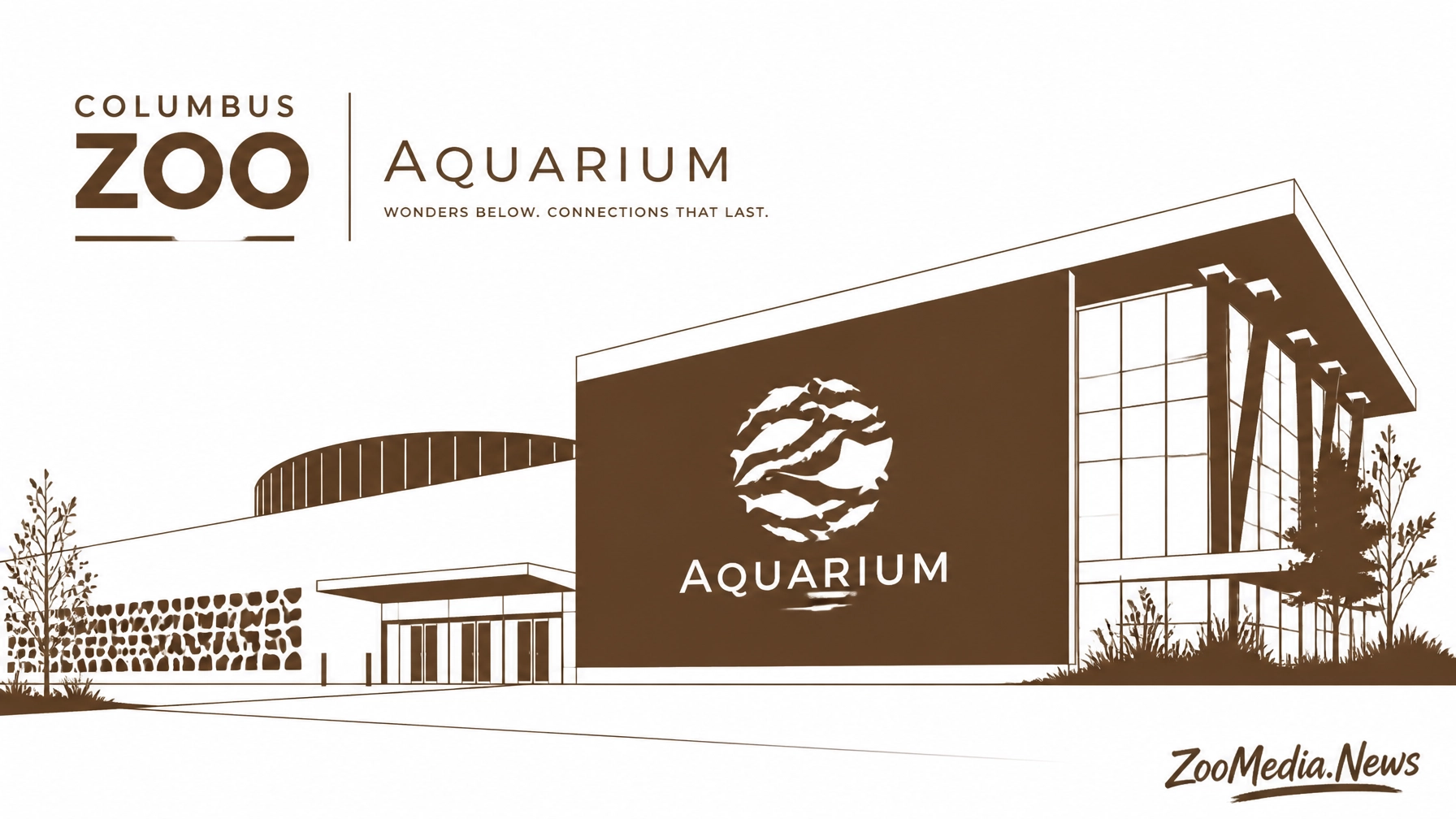

The Columbus Zoo and Aquarium is making a $175 million play for the future. With the recent unveiling of the John F. Wolfe Aquarium, the facility isn’t just adding a few fish tanks; it’s repositioning itself as a global leader in the "experience economy." For industry insiders and conservation experts, this isn't just news: it’s a major strategic shift in how zoos manage revenue, research, and regional dominance.
Scheduled to open in 2029, the 100,000-square-foot project will be the largest aquarium in Ohio. But beyond the sheer scale of the 1-million-gallon facility, there are layers of operational strategy and conservation goals that many visitors might overlook. From separately ticketed revenue models to "weather-proofing" the zoo's attendance, here is what the experts are saying about the secrets behind this massive investment.
What makes the John F. Wolfe Aquarium a "mega-project"?
In the world of wildlife media coverage and zoo business, a $175 million price tag puts this project in the top tier of global developments. The facility is designed to house over 10,000 aquatic animals across five distinct galleries. However, the "secret" to this project isn't just the animals; it’s the infrastructure.
"A project of this magnitude requires a life-support system that operates like a small city's utility grid," notes one industry analyst. "You aren't just building a building; you are building a pressurized, filtered, and climate-controlled ecosystem that must run 24/7/365 without a single second of failure."
The project is anchored by a $50 million lead gift from The Wolfe Foundation, but the remaining $125 million highlights a complex funding strategy involving philanthropy, zoo revenue, and potential public-private partnerships. This level of capital expenditure is usually reserved for major sports stadiums or hospital wings, signaling that the Columbus Zoo is doubling down on its role as a premier tourism destination.

Why is the zoo moving to a "separately ticketed" model?
One of the most discussed "secrets" among business experts is the zoo’s decision to make the aquarium a separately ticketed attraction. While the zoo has always been an "all-access" destination for many, this new model follows a trend seen in major global theme parks and niche industry news.
By charging a separate admission fee for the aquarium, the zoo is creating a "gate within a gate." This allows for:
- Tiered Pricing: Visitors can choose their level of experience, making the zoo accessible to budget-conscious families while offering a premium experience for those willing to pay more.
- Targeted Revenue: The income generated from the aquarium can be directly reinvested into its high-cost life-support systems and aquatic conservation efforts.
- Crowd Management: Separate ticketing helps regulate the flow of visitors into the 100,000-square-foot space, preventing the "bottleneck" effect common in large indoor attractions.
This move is a clear indicator that the Columbus Zoo is looking to diversify its revenue streams. In an era where zoo and aquarium news is increasingly focused on financial sustainability, this model provides a cushion against the fluctuating costs of wildlife care.
How does $175M translate to animal conservation news?
For the conservation community, the new aquarium is more than a tourist trap. It is a massive laboratory. Experts highlight that the "behind-the-scenes" of the John F. Wolfe Aquarium will likely include state-of-the-art quarantine zones, veterinary suites, and water-quality labs that far exceed current standards.
"When you invest $175 million, you aren't just buying glass and water," explains a marine biology researcher. "You are buying the ability to study species that were previously too difficult to maintain in a landlocked state like Ohio."
The aquarium’s focus on both Ohio waterways and global marine ecosystems allows the zoo to participate in high-level animal conservation news stories, such as the restoration of local freshwater mussels or the breeding of endangered coral species. This research often happens in the "secret" back-of-house areas that the public never sees, but which are funded by the front-of-house ticket sales.

Is the aquarium a "weather-proofing" strategy for Ohio?
One of the less-publicized "secrets" of the project is its role in climate-resilient attendance. The Midwest is notorious for unpredictable weather, which can devastate the bottom line of an outdoor-only zoo. By building a massive, indoor, world-class aquarium, the Columbus Zoo creates a year-round "anchor asset."
"In the sports business world, you want a stadium that can host events in January as easily as July," says a consultant for niche industry news. "For a zoo in Ohio, an indoor aquarium is the ultimate 'rain check' insurance. It ensures that even on a snowy Tuesday in February, there is a compelling reason for a family to spend their day: and their money: at the zoo."
This strategy isn't just about survival; it's about growth. A massive indoor facility allows the zoo to expand its educational programming, hosting school groups and corporate events in climate-controlled comfort throughout the year.
Is an on-site hotel the next "secret" to be revealed?
Whispers in the local business community suggest that the aquarium is phase one of an even larger "campus vision." Some insiders point to the possibility of an on-site hotel, transforming the Columbus Zoo from a "day trip" to an "overnight destination."
This "staycation" model has been successful for other major zoological facilities globally. By pairing a world-class aquarium with lodging, the zoo can capture a larger share of the regional tourism market. While the zoo hasn't officially broken ground on a hotel, the $175M investment in the aquarium makes such a move almost inevitable. You don't build a $175M attraction without planning for where those extra visitors are going to sleep.

What are the next steps for the Columbus Zoo?
As the zoo prepares to break ground in early 2027, the focus will shift from "the reveal" to "the build." For those following wildlife media coverage, here is what to watch for in the coming months:
- Construction Milestones: Expect regular updates on the engineering feats required to move 1 million gallons of water into a landlocked facility.
- Species Announcements: As the design is finalized, the specific list of "star" species will be released to drive early ticket interest.
- Economic Impact Reports: Local government and business leaders will likely release data showing how the project will boost central Ohio’s economy.
The John F. Wolfe Aquarium represents a bold bet on the future of conservation and entertainment. By blending high-stakes business strategy with a deep commitment to animal welfare, the Columbus Zoo is setting a new benchmark for what a modern zoological park can be.
Practical Takeaways for Wildlife Enthusiasts
- Plan Ahead: The aquarium won't open until 2029, so keep an eye on membership updates for early access.
- Support Conservation: Much of the $175M cost goes into "unseen" conservation infrastructure. Consider donating to the zoo's conservation success stories programs.
- Stay Informed: Follow ZooMedia.News for the latest updates on the project's construction and industry-wide impact.
