


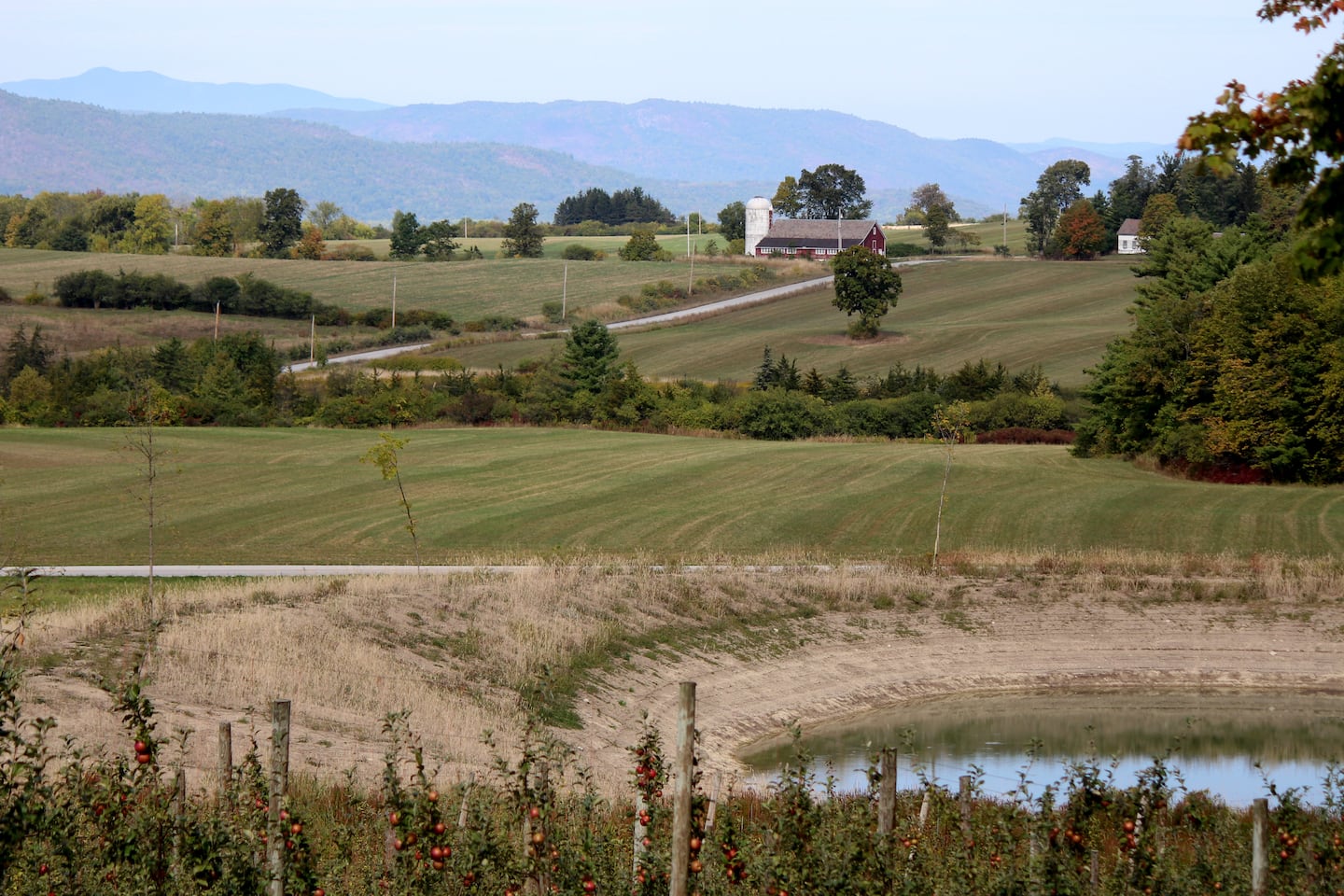

CONCORD, N.H. —While much of the state’s snow has melted by now, it’s unfortunately done little to alleviate drought and dry conditions that are still affecting the entire state.
That means the state could continue to be in a drought through June, according to a seasonal drought outlook from the National Oceanic and Atmospheric Administration.
“This is very dry to be coming out of the winter,” said Ted Diers, assistant director of the water division at the New Hampshire Department of Environmental Services. “So this is concerning.”
Diers said residents should take measures to be gentle on their wells and conserve water by limiting outdoor watering, fixing leaks, using low-flow devices, and finding water-friendly landscaping.
For income-eligible residents whose wells are running dry, some assistance is still available through the Emergency Drought Assistance Program, after the state made $1.5 million available through the program in January.
Get N.H. Morning Report
A weekday newsletter delivering the N.H. news you need to know right to your inbox.
Enter Email
So far, Diers said, about $1.2 million has been allocated, after the state received 60 to 70 applications for assistance.
So why didn’t the snowpack do more to alleviate the drought?
For one thing, Diers said, the snowpack was mostly light, fluffy snow “like powdered sugar” that doesn’t contain as much moisture as dense, wetter snow common with warmer temperatures (think of the kind you’d use for making a snowman).
Plus, he said, while it may have felt like the state received an awful lot of snow, it was actually a pretty typical amount compared to historical averages. Also, the ground was still frozen when much of the snow melted, which meant that instead of being absorbed, most of the precipitation ended up running off into the state’s rivers and lakes.
The forecast for the next few weeks shows a normal amount of precipitation, but Diers said that won’t be enough to make up for the state’s current deficit.
“We certainly have some concerns about groundwater recharge over the next couple of months,” said Diers. “But again, all of this can change relatively rapidly if storm systems start to set up and we get good precipitation.”
This story appears in Globe NH | Morning Report, a free email newsletter focused on New Hampshire, including great coverage from the Boston Globe and links to interesting articles elsewhere. Sign up here.
Amanda Gokee can be reached at amanda.gokee@globe.com. Follow her @amanda_gokee.
