


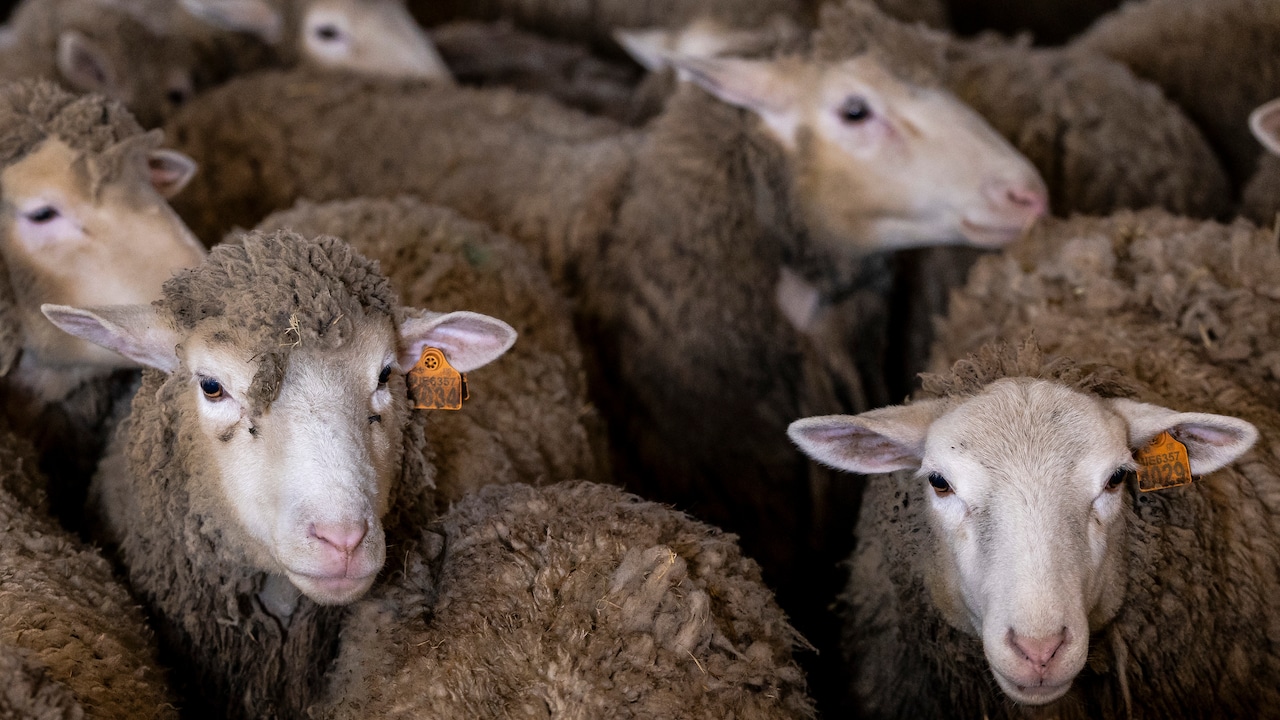

Many diseases in animals go untreated because of high development costs and limited markets, according to a federal report.
Goats and sheep, for example, lack approved drugs to treat parasites.
The Government Accountability Office report released March 3 examines whether a federal incentive enacted in 2004 under the Minor Use and Minor Species Animal Health Act has been effective. The incentive allows the sale of conditionally approved drugs for up to five years while still gathering evidence of effectiveness.
However, from fiscal years 2018 through 2025, the U.S. Food and Drug Administration conditionally approved 11 new animal drugs, all for major species. Nine were for pets and two were for cattle. As of June 31, the FDA has conditionally approved two additional drugs since then.
“Many of the unmet animal health needs that existed when the conditional approval pathway was created in 2004 remain unmet,” the federal watchdog said.
The report highlighted a lack of FDA-approved drugs for minor animal species, those that do not fall into the categories of common pets, livestock or poultry. Examples include goats, rabbits, aquatic animals and insects such as honeybees.
Aquatic species don’t have drugs to treat bacterial infections, and piglets, calves and goats lack drugs for painful procedures like castration and tail removal.
Even major species have few approved drugs for rare or some life-threatening conditions, the report said.
“The conditional approval pathway and other incentives have had a limited effect on new animal drug development,” the report concluded.
Recommendations include expanding the 5-year window, which would require congressional action, and FDA weighing drugs benefits against risks, or benefit-risk assessment, in its animal drug evaluations.
FDA agreed with the recommendations.
