



The ocean beyond national borders has long been a frontier of freedom for shipping, fishing, and resource extraction, leading to decades of ecological neglect. That changed on January 17, 2026, when the High Seas Treaty — officially known as the agreement on Biodiversity Beyond National Jurisdiction or BBNJ — entered into force. For the first time, there is a legally binding framework to manage and protect the biodiversity of areas that cover nearly half the Earth’s surface! This treaty represents decades of negotiation and international advocacy, marking a milestone in our global relationship with the high seas.
At its core, the treaty creates a pathway for establishing marine protected areas in international waters. Currently only a fraction of these vast ocean regions receive any formal protection. Within MPAs, ecosystems can function with reduced human pressure, allowing fish populations to recover, coral reefs to grow, and top predators like sharks and tuna to roam without constant threat. Over time, these areas can also replenish surrounding waters through a “spillover effect,” supporting fisheries and coastal communities. The treaty provides a framework for countries and international bodies to agree on where these MPAs should be, how they are monitored, and how their ecological effectiveness is evaluated; this is especially important for wide-ranging species that cross national boundaries, like migratory sharks, sea turtles, and whales. By creating networks of protected zones, the treaty will help directly support the 30 by 30 target: protecting 30% of the ocean by 2030.
Beyond conservation zoning, the treaty will also strengthen requirements for environmental impact assessments on activities that could damage marine ecosystems. That means that before any industrial activity occurs in international waters (whether it’s large-scale fishing, shipping route expansion, undersea cable installation, or resource extraction) countries and companies must conduct a rigorous, science-based review of potential ecological consequences. Countries must also share data, methodologies, and results, and are encouraged to consult with scientists, civil society groups, and other stakeholders.
Another critical aspect of the treaty is its approach to marine genetic resources. These are the microscopic building blocks of life in the ocean—genes, proteins, and other biological materials that can hold extraordinary potential for medicine, biotechnology, and sustainable industries. Scientists have already discovered compounds in marine organisms that can fight cancer, combat antibiotic-resistant bacteria, and inspire new biodegradable materials. Yet much of this potential lies in the high seas, beyond any one country’s jurisdiction, raising complex questions about ownership, access, and benefit sharing. Historically, powerful nations or corporations could exploit these resources without sharing profits or knowledge with the global community, leaving smaller or less-developed countries without access to the benefits of their own oceans. Yet, the treaty mandates fair and equitable sharing of benefits derived from marine genetic resources (no matter if they are used for scientific research, pharmaceutical development, or commercial applications).
MORE FOR YOU
Over 80 countries have ratified the treaty, and the first Conference of the Parties will convene later this year to establish the rules, guidelines, and oversight mechanisms that will turn this legal framework into action on the water. “The entry into force of the High Seas Treaty marks a historic moment for the world’s ocean and for all of us who depend on it. As the treaty becomes international law, it ushers in a new era of ocean governance and cooperation with immense potential to deliver a healthier, more resilient ocean and economy. This is just the start of the voyage – we urge governments and businesses to work together to effectively implement the treaty and encourage those countries that have not yet done so to come on board,” said Kirsten Schuijt, Director General of WWF International.
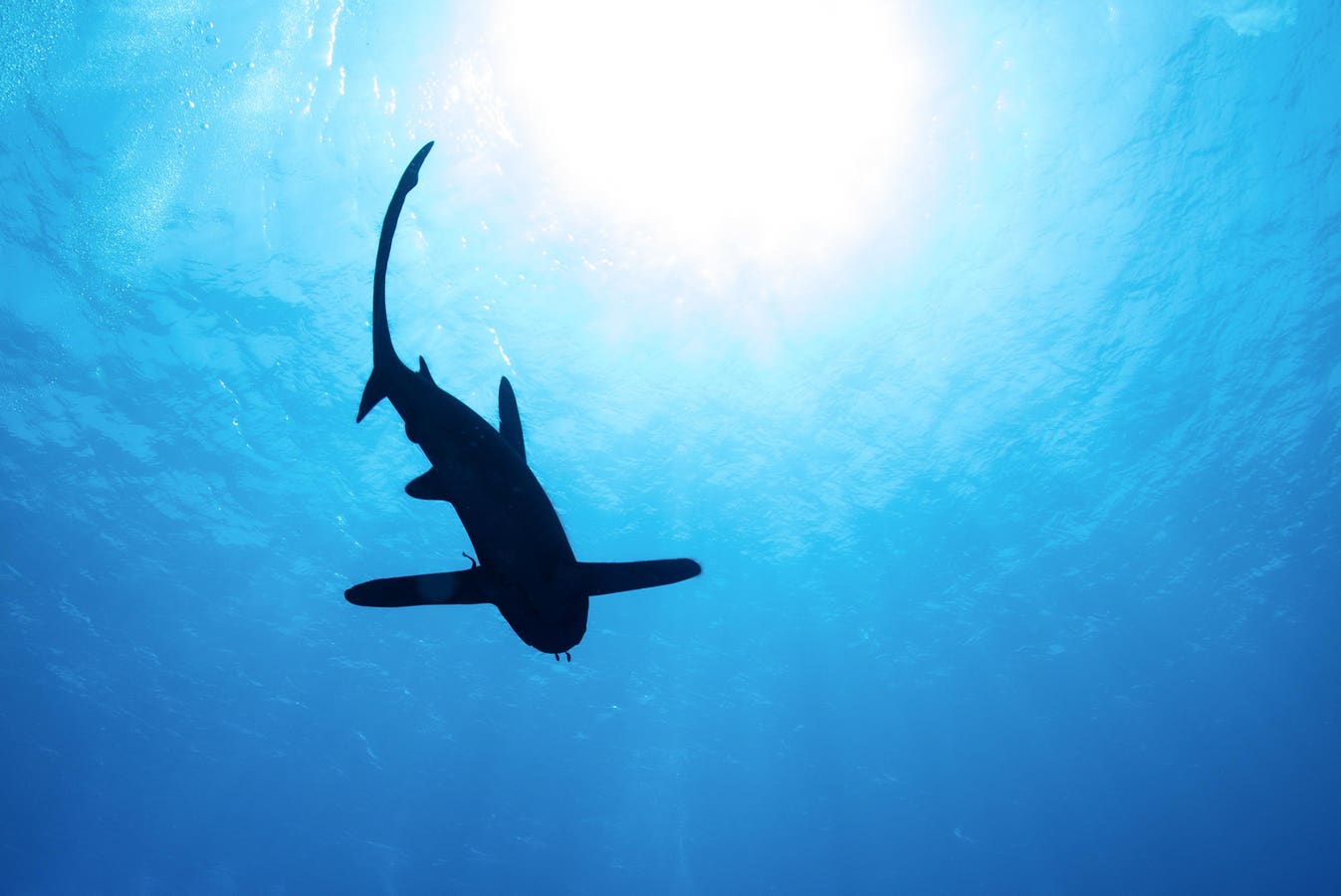
For sharks, this is potentially transformative. Many species are wide-ranging, crossing national boundaries and venturing into the high seas where protection has historically been minimal. Migratory sharks, like blue, oceanic whitetip, and hammerhead, face threats from unregulated fishing, bycatch, and habitat disruption. By creating coordinated protections across international waters, the treaty could help reduce these risks, giving populations a chance to recover. But the success of these protections depends on translating legal agreements into actionable measures (think identifying critical habitats, regulating fishing practices, and enforcing compliance in areas that were previously unmanaged). The treaty’s significance, however, extends beyond individual species because healthy oceans are central to climate stability, having absorbed roughly 90% of the excess heat from greenhouse gas emissions and 25% of global carbon dioxide emissions. When apex predators like sharks thrive, they help maintain balanced ecosystems, which in turn supports fisheries, sequesters carbon, and sustains the food webs that billions of people rely on. Can we coordinate globally to ensure apex predators, and the ecosystems they anchor, are preserved?
The High Seas Treaty is a step toward answering these questions. Yet the treaty is only the first step.
