


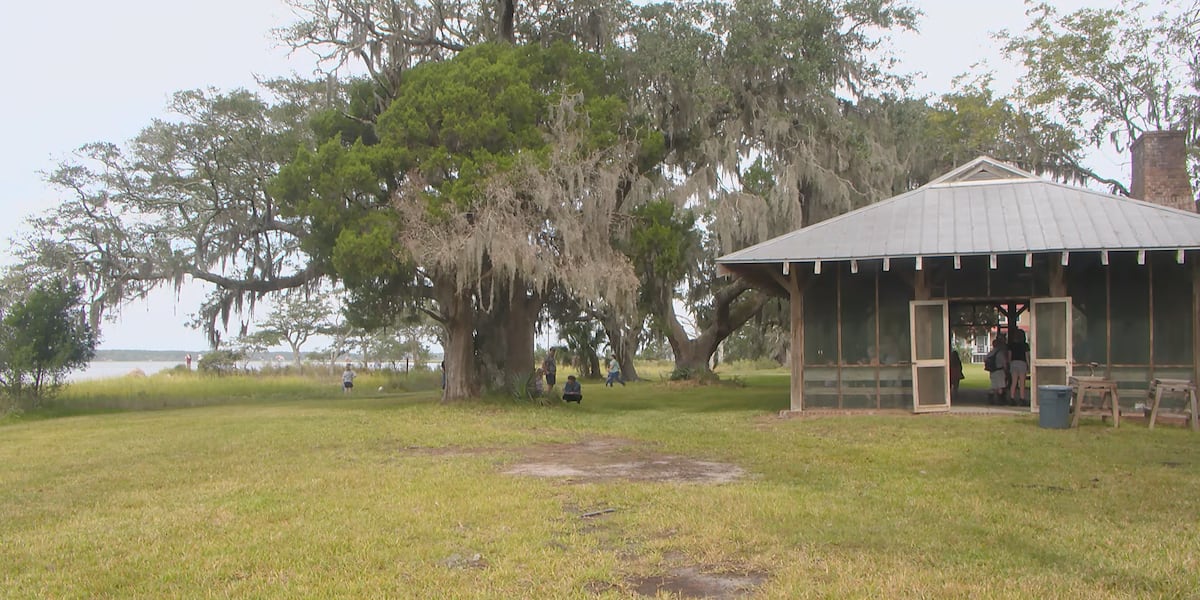

CHARLESTON, S.C. (WCSC) — The Dill Sanctuary on James Island is one step closer to being protected indefinitely through a multi-million-dollar conservation easement.
The Charleston Museum, which currently manages the more than 700-acre wildlife refuge, is working with the Lowcountry Land Trust and other partners to secure permanent protection for the property that contains thriving bird and wildlife habitat, two African American cemeteries for enslaved people and four Civil War batteries. Archaeological evidence shows Native peoples used the area dating back 8,000 years.
“The property was bequeathed to the museum by Pauline Dill, who was the last surviving Dill sister in 1985,” Charleston Museum Director Carl Borick said.
Legal restrictions expire
A dispute over the will and subsequent lawsuit put 35-year restrictions on the property, requiring the museum to maintain it as a wildlife refuge. Now that those restrictions have expired, Borick said the museum has no intentions of selling.
“Absolutely not, the current board and staff are absolutely committed to protecting the property,” Borick said. “The problem is we don’t know who will be on the board 10 years or 20 years or 30 years, we don’t know what the staff thoughts will be so this is really a great opportunity to ensure that the property gets protected.”
City council approves support
Charleston City Council has approved a resolution supporting the submittal of an application for the $3 million easement by the Lowcountry Land Trust, in conjunction with the South Carolina Conservation Bank and National Coastal Wetland Conservation Grant Program, to the Charleston County Greenbelt Program.
“Not only will we not have homes there in perpetuity, but the Riverland Drive frontage will never change, as well as the Stono River frontage, which is something that a lot of people don’t think about,” said Jason Kronsberg, section chief of parks, facilities and capital projects for the City of Charleston.
Kronsberg said ensuring greenbelt funds gives the city the opportunity to reduce the need for future infrastructure.
“I live on James Island myself. I wouldn’t want to see a lot of new homes and new cars out there, so we’re very excited that we’ve had the opportunity to preserve this gem of the low country,” Borick said.
Charleston Museum staff should have an update on the status of the funding for the easement by late spring. Money will go toward ecologically motivated land management practices and expanding community programming.
