



If your weekend errands include a grocery run and you’re thinking of bringing your four-legged companion along, you may want to think again. Delaware law prohibits pets — including emotional support animals — from entering grocery stores and other food establishments.
State code bars live animals inside retail food stores unless they are task-trained service dogs assisting a person with a disability. Lawmakers clarified the rule in 2018, updating Delaware’s Equal Accommodations Law to align with both state regulations and the federal Americans with Disabilities Act.
That update draws a clear line between service animals and emotional support animals.
What qualifies as a service animal?
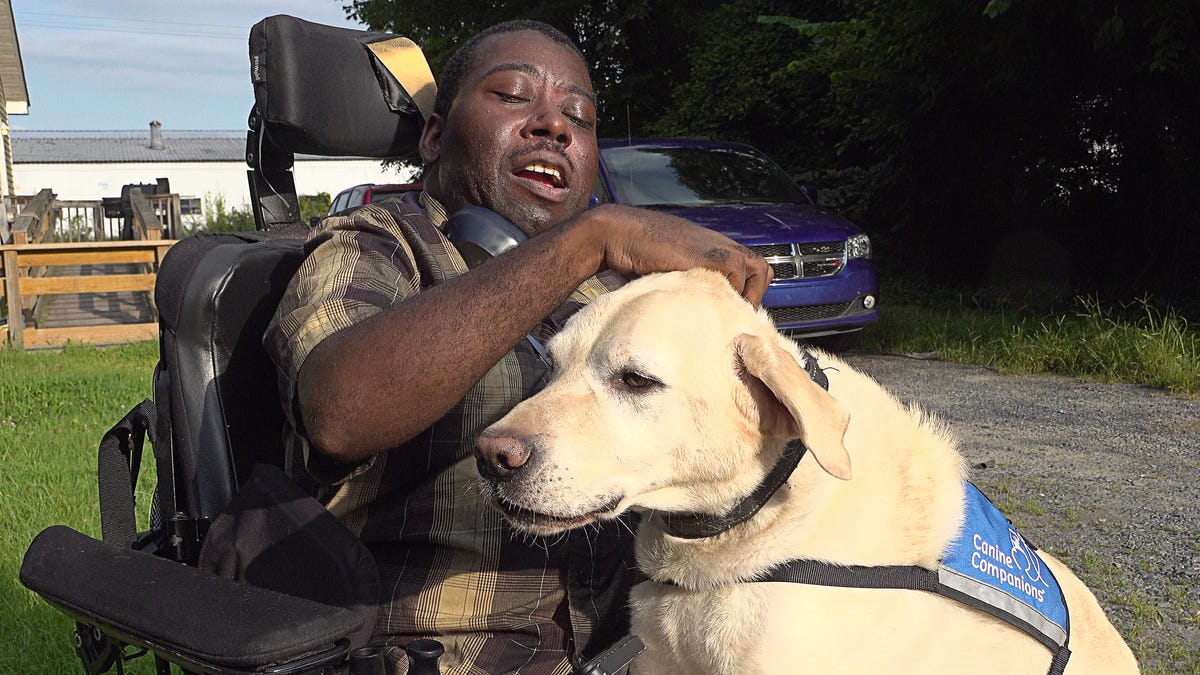
Under state and federal law, a service animal is a dog trained to perform specific tasks for someone with a physical, sensory, psychiatric, intellectual or other disability. Other species of animals, whether wild or domestic and regardless of training, are not considered service animals.
Emotional support, therapy, comfort and companion animals do not qualify as service animals. The ADA explains that providing comfort, companionship, a sense of well-being or even a crime-deterring presence does not count as performing a trained task.
SAVINGS IN STORE: Why more shoppers are switching to store brands to save money
Pets in a pet-friendly grocery store
Public accommodations in Delaware must comply with both state and federal law and that includes grocery stores. Delaware law bars workers in food-handling areas from interacting with any animals, including service dogs. If an animal is present during an inspection, the business can be cited. And when customers report a pet roaming the aisles, inspectors typically follow up with management.
The ADA permits a business to exclude a service animal only if it poses a direct threat to health or safety.
