



Even from afar, the energy at Convention on International Trade in Endangered Species of Wild Fauna and Flora CoP20 in Samarkand this week has felt like something we have not seen in years. More than 3,000 delegates from 185 countries crowded into packed rooms to debate the survival of some of the ocean’s most threatened animals and after days of tense discussions, the Parties adopted a historic suite of shark and ray protections that many conservationists have spent decades fighting for. It is the clearest signal yet that the world sees the crisis facing these species for what it is: a tipping point. Luke Warwick from the Wildlife Conservation Society called it a landmark victory that belongs to the countries who pushed these proposals forward: “Countries across Latin America, Africa, the Pacific, and Asia came together in a powerful show of leadership and solidarity, passing every shark and ray proposal tabled for the CoP. […] Today’s votes give them a real chance at recovery, and now we must carry this momentum through the final plenary vote and into swift implementation. […] We cannot let up now.”
The newly adopted measures cover more than 70 species and represent the most comprehensive set of shark and ray protections ever approved under CITES. Oceanic whitetip sharks, manta and devil rays, and whale sharks have now been placed on Appendix I, which bans all international commercial trade. Wedgefish and giant guitarfish will see zero export quotas, effectively suspending any exports of wild-caught specimens. Deeply exploited species like gulper sharks, smoothhounds and tope sharks will now fall under Appendix II, meaning any trade must be both permitted and proven sustainable. These decisions effectively close loopholes that have allowed demand for fins, gill plates, meat and liver oil to drive dramatic population collapses. Globally, more than 37 percent of shark and ray species are threatened with extinction. Pelagic sharks have declined by over 70 percent in half a century. Reef sharks are now functionally extinct on one in five coral reefs surveyed worldwide. And CITES remains the only global mechanism capable of regulating international wildlife trade at this scale… so, if not here, then it’s unclear where these protections could have come from.
For many species already in freefall, the vote at CoP20 may be the difference between extinction and recovery. But while international agreements look powerful on paper, but their strength lies in how well they are implemented. Take manta and devil rays, for example; in a remarkable show of consensus, every Party in the room agreed to uplist all ten species to Appendix I. These rays are among the most charismatic animals in the ocean, gliding through bluewater landscapes with a grace that feels almost otherworldly, yet their biology leaves them exposed. Slow growth, late maturity and one pup every few years mean populations cannot bounce back from fishing pressure. When species like these decline by more than 80 percent within just one or two generations, what does that say about the speed and scale of human impact? Despite no scientific evidence that gill plates offer any health benefits, demand persists and trade in their gill plates (and meat!) continues to be a major driver of their disappearance from our oceans. Much of that trade is opaque, increasingly online and difficult to trace. Even where national protections exist, illegal trade often fills the gaps. Yes, the world now agrees these animals should not be part of international markets, but the real challenge lies in ensuring that message reaches consumers who may never have heard of CITES.
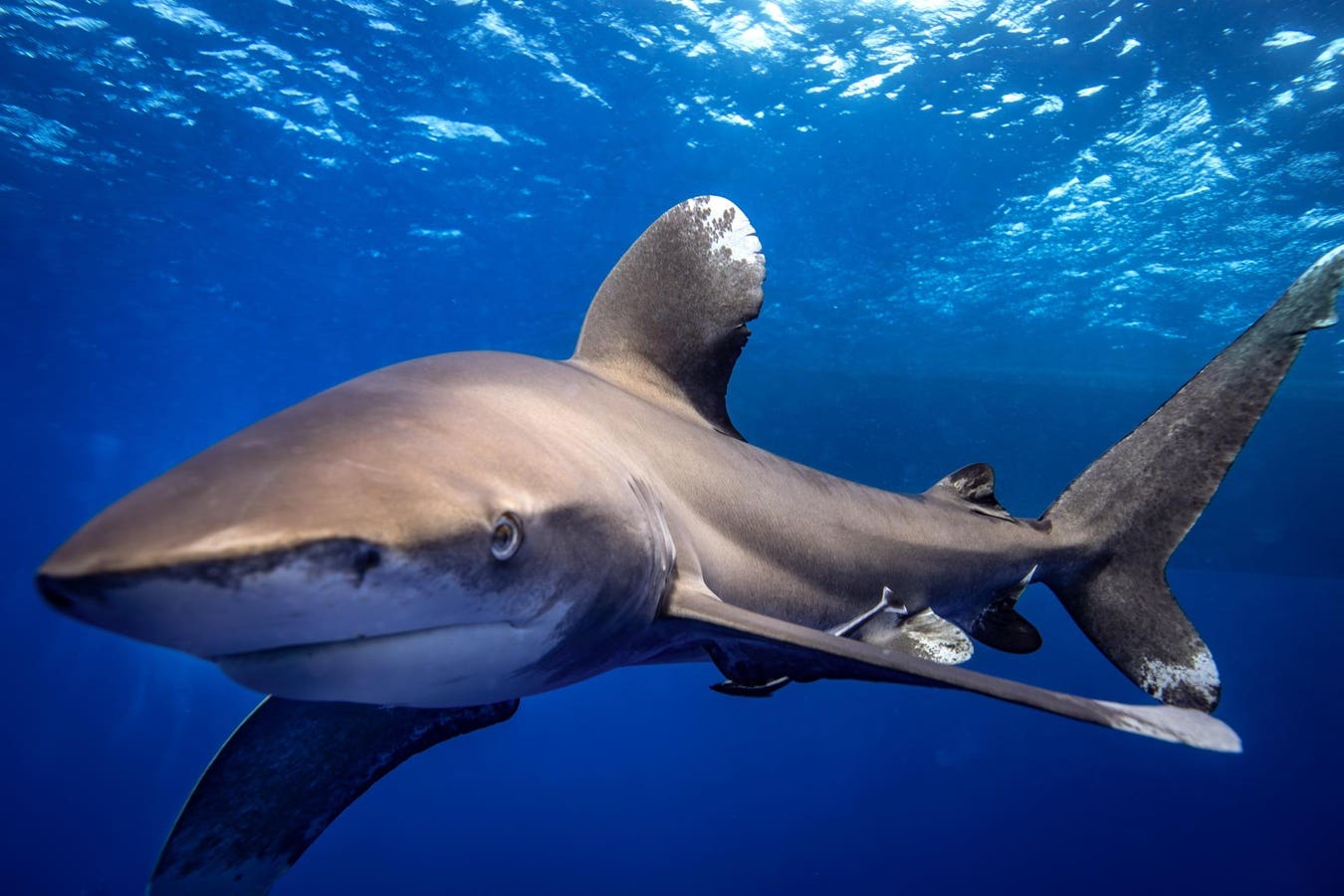
The same questions loom for oceanic whitetip sharks. Although historically listed on Appendix II, they continued to appear in large quantities in the Hong Kong SAR fin trade. Genetic testing shows that more than 95 percent of those fins were unreported and likely illegal. It raises an uncomfortable but necessary question: if enforcement failed under Appendix II, will countries commit the resources needed now that these sharks have full Appendix I protections? Governments will need to strengthen legislation, expand monitoring and invest in training for customs and fisheries officers. Identification guides, genetic tools and updated FAO-GLOBEFISH materials already exist and will be expanded to reflect the new listings. These tools work. Several countries have piloted them successfully, proving that implementation is possible with coordination and support. And plenty of conservation groups, like The Manta Trust, say they are ready to help; their teams will continue collecting population data, refining bycatch solutions and ensuring that implementation of Appendix I is monitored accurately. But they cannot do it alone! Markets must be part of the solution too, because if demand continues, illegal trade will find a way to adapt. Reducing that demand requires public awareness and honest conversations about why these species matter.
MORE FOR YOU
The decisions in Samarkand offer hope, yet they are a reminder that protection on paper is merely the first chapter. The rest depends on how committed we are to seeing these animals not as expendable resources but as integral threads in the fabric of ocean life.
The world chose action over extinction this week. Now the question is whether we can keep choosing it.
